Discharge Station Design Standards
What are stainless steel discharge stations?
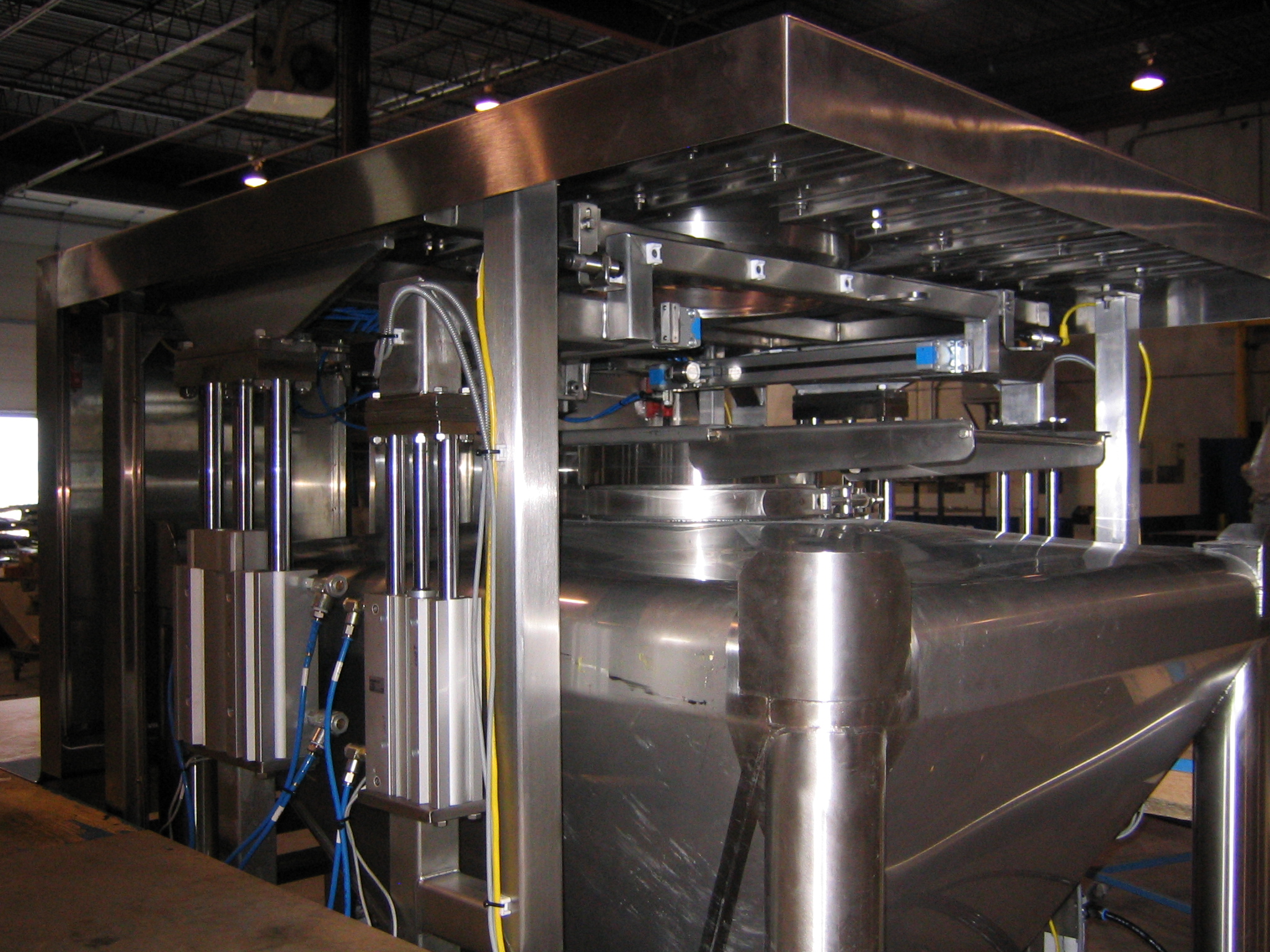
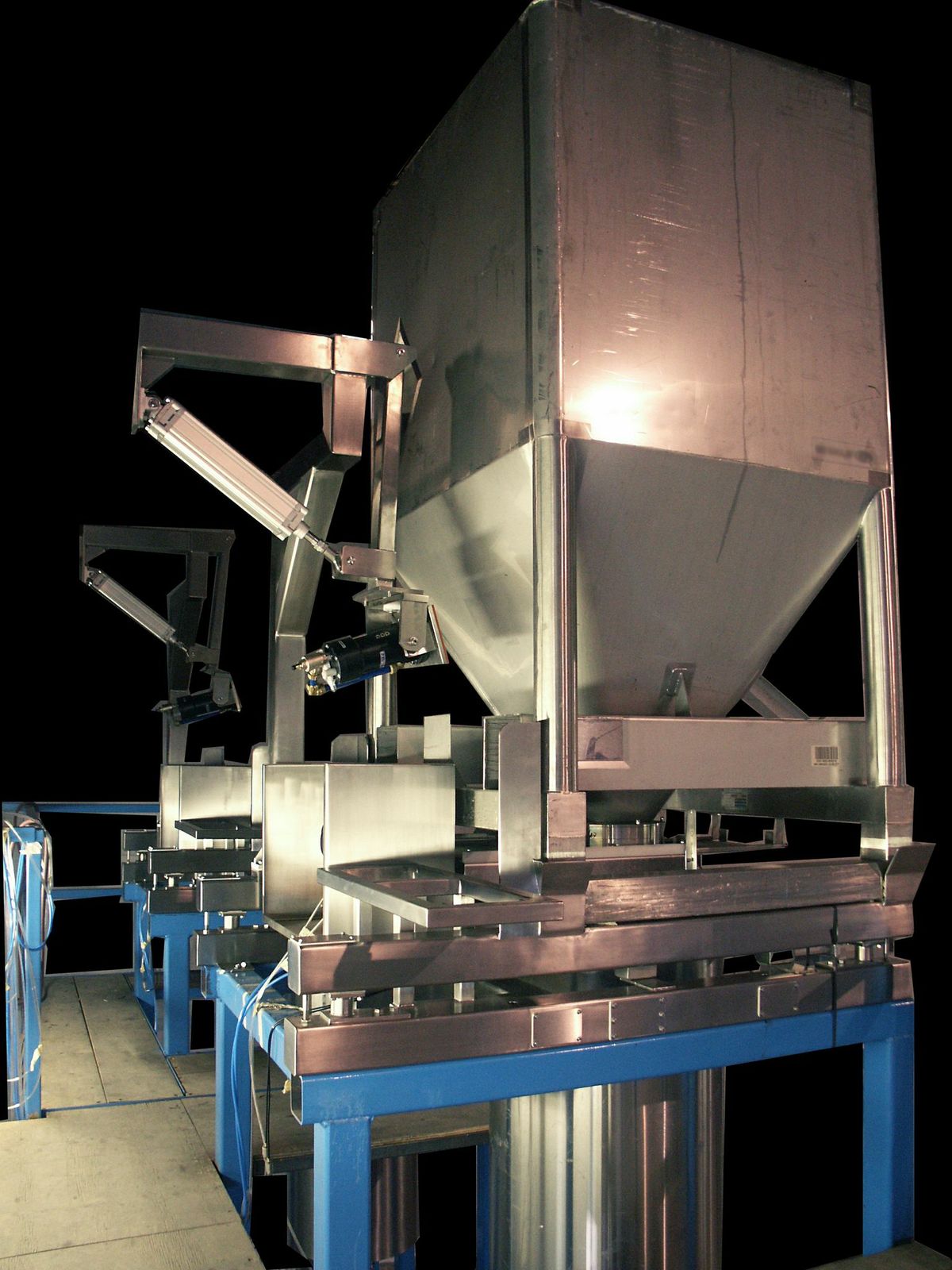
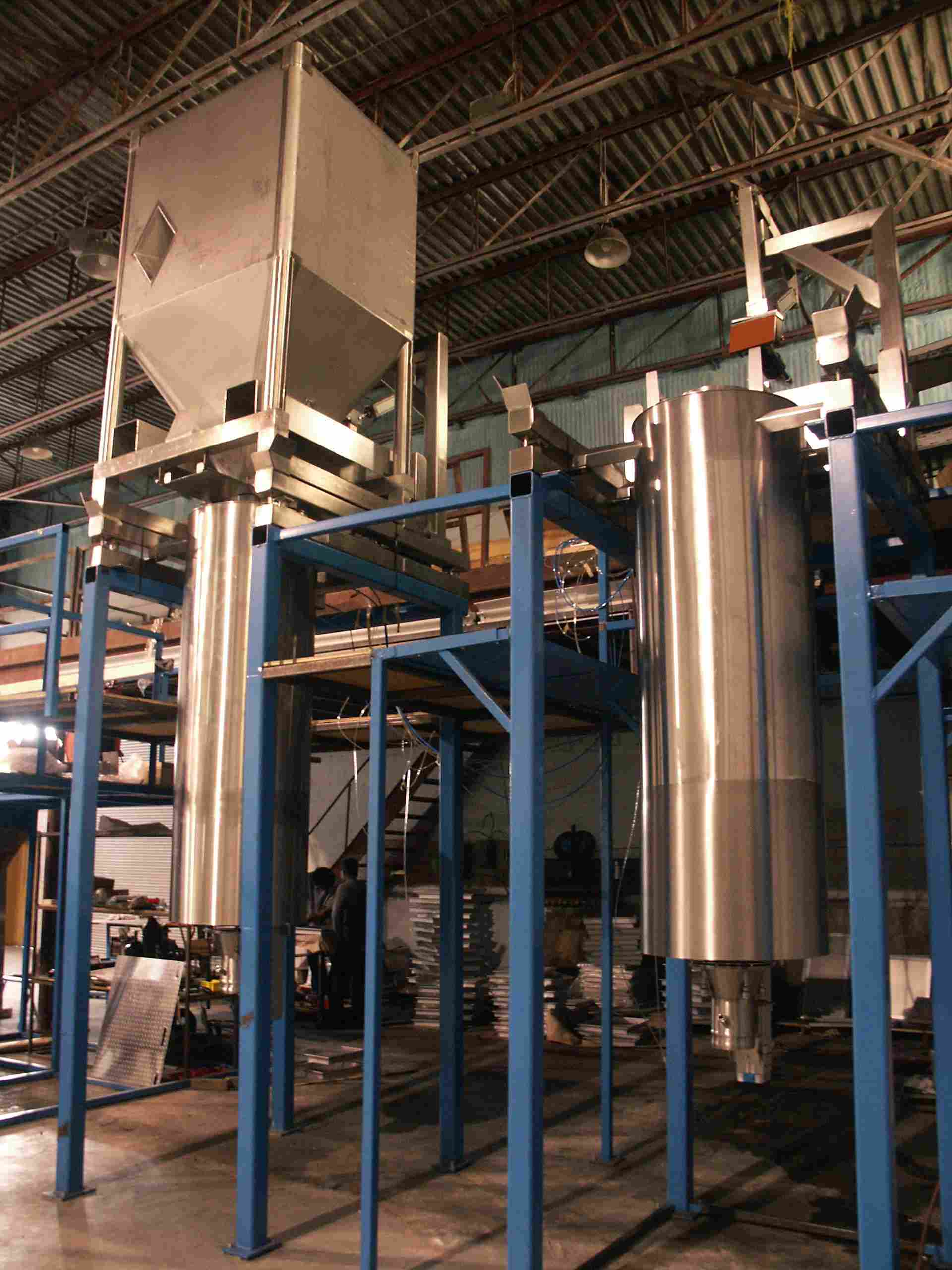
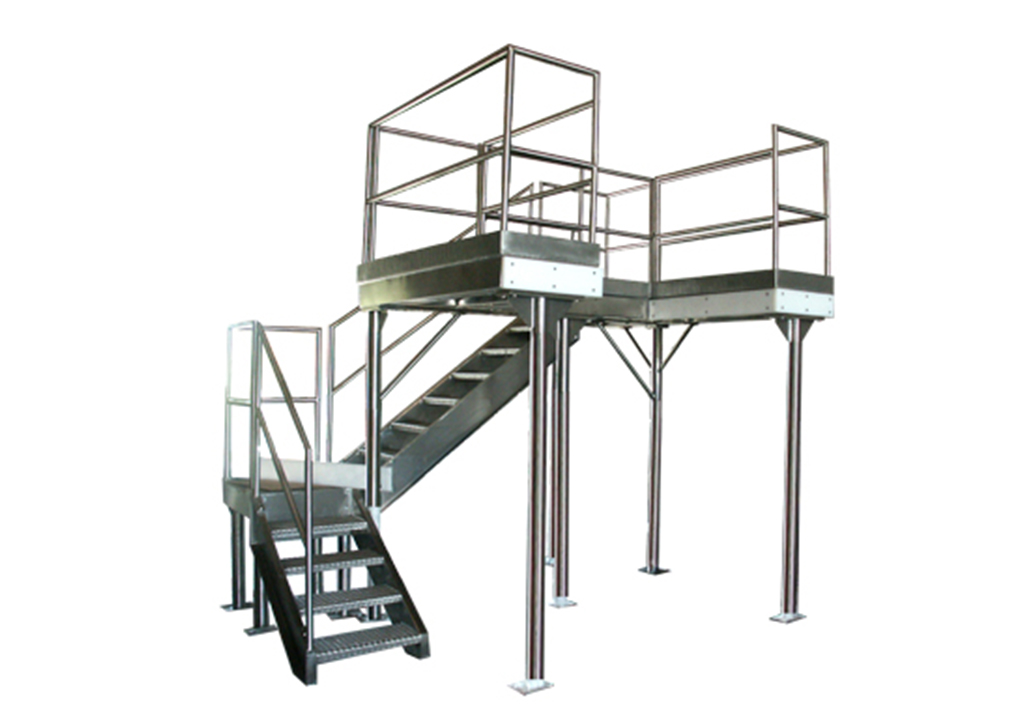
Stainless steel discharge stations are systems designed to handle bulk materials. In this case, they provide a safe docking location for intermediate bulk containers (IBCs) and process bins or barrels. These stations enable the sealed, safe, and accurate dispensing of dry bulk materials such as powders, granules or pellets.
Stainless steel discharge stations differ from the carbon steel and painted dispensing racks that feature a standard design. These racks are adequate for conventional environments. In contrast, stainless steel discharge stations are tailored to meet requirements in hygienic environments and in environments that are washdown intensive and corrosive. These environments also focus on cross-contamination and product purity concerns.
How Stainless Steel Discharge Stations Work
- Secure Docking and Alignment
Heavy-duty positioning guides are built into the system to ensure that the incoming bulk container is properly positioned over the collection hopper.
- Dust Containment and Sealing
Once the container is properly positioned, it docks against a continuous dust seal that is made of food-grade silicone or rubber. This dust seal completely isolates the material stream from the facility atmosphere. Airborne dust is a safety concern to facility personnel, so this design helps protect personnel from that safety concern.
- Metered and Assisted Product Flow
The flow of the material is controlled by the integrated, manual, or automated, sanitary, pneumatic valves, which can be butterfly valves or cone valves. For the material flow to be more optimal, flow-assist mechanisms can be integrated into the system. These assist mechanisms help overcome the challenges of material rat-holing or bridging.
- Precision Downstream Integration
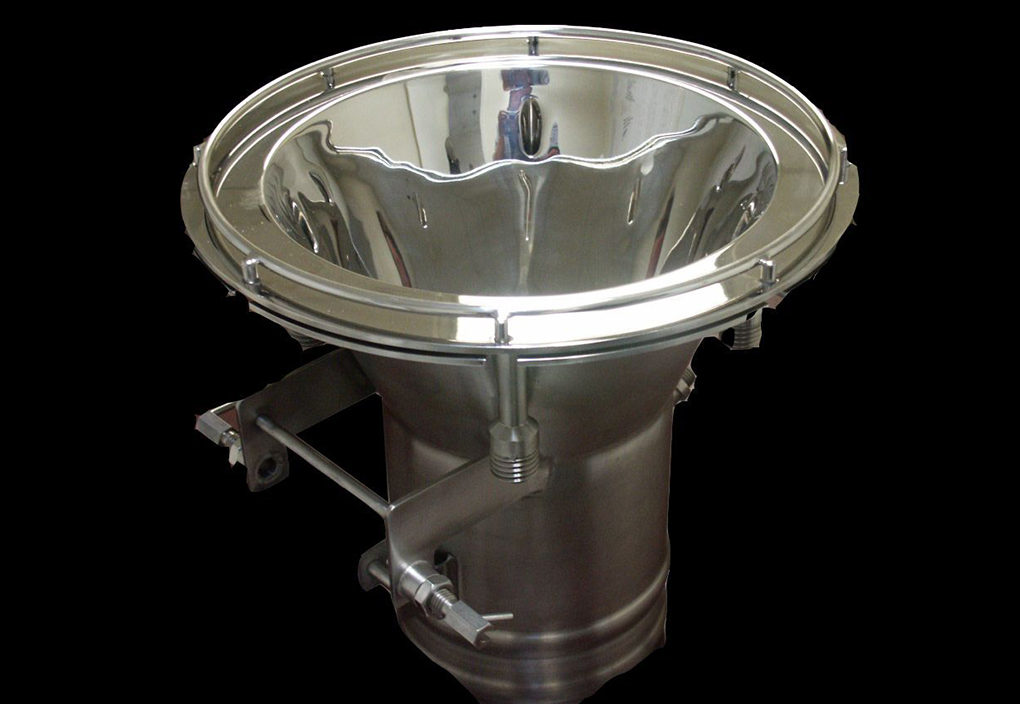
A lower hopper is connected to a smooth, crevice-free, and direct chute that guides bulk material flow to any integrating tablet press, granulator, vertical auger filler, conveyor, and other processing lines.
Where Discharge Stations Deliver the Most Value
- Pharmaceutical and Nutraceutical Manufacturing
Discharge stations in this industry enable the enclosed transfer systems for APIs and batch segregation that are cGMP compliant.
- Food and Beverage Processing
Discharge stations in this industry enable the sanitary, safe transfer and handling of washdown-compatible bulk food processing fine ingredients.
- Chemical and Cleanroom Facilities
Discharge stations in this industry enable the containment, transfer, and processing of highly reactive or fine powdered formulations while maintaining clean air integrity in controlled environments.
- OEM and Industrial Applications
Discharge stations in this industry enable automated processing systems that require continuous and controlled processing ingredient flow.
Why Stainless Steel is Best for Discharge Stations
- Corrosion and Chemical Resistance
Pits and rust do not develop in the presence of moisture, aggressive chemical sanitizers, or ingredients that are acidic.
- Hygienic, Crevice-Free Surface
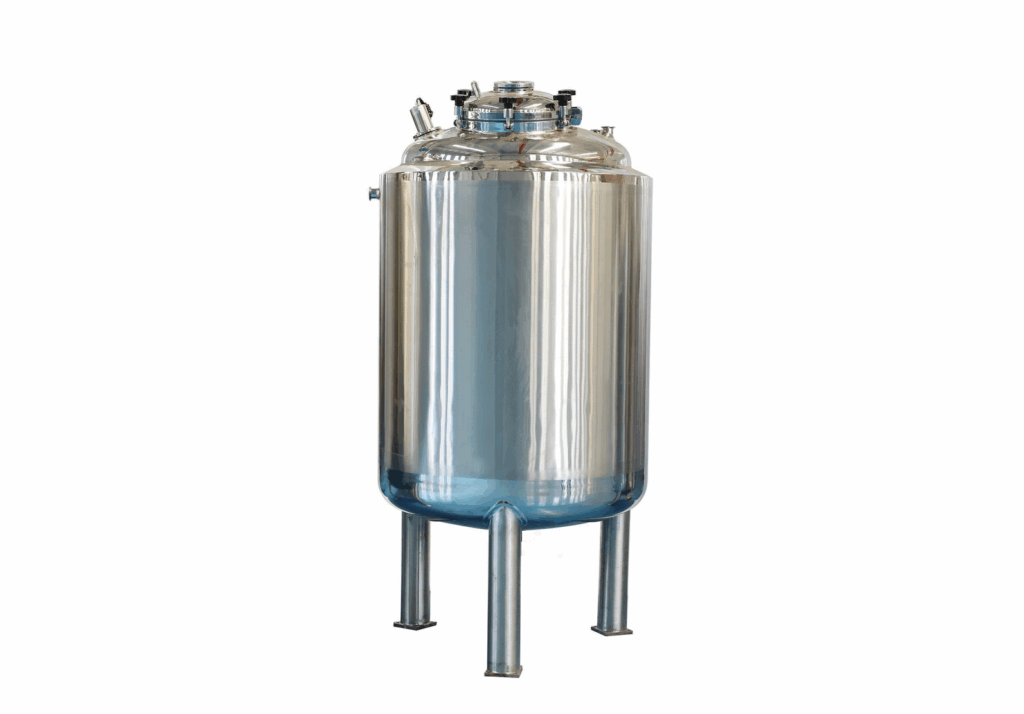
Stainless Steel is non-porous and doesn’t allow the build up of either bacteria or product residue. Because of this, the station is made very easy to clean for a batch changeover.
- High Structural Load Capacity
Steel is strong enough to easily and safely support a bulk bin filled to the brim which can weigh over a thousand pounds.
- Zero Product Contamination
The discharge system will not create product contamination with the flaking or chipping of paint or rust.
- Reduced Total Cost of Ownership
Because of its permanent structural integrity, the total cost of ownership over decades of continual use is greatly reduced.
Custom Stainless Steel Discharge Stations : Designed for Your System
- Fabrication is done completely to incorporate your specific bulk container, plant discharge, and structural process flow requirements.
- Fully framed, custom structural framing is provided for the specific dimensions of your plant.
- Manual, Pneumatic, and Automated valve operations are designed for your specific requirements.
- The chemical profile of your product is taken into consideration for the 304 vs 316 stainless steel.
- Direct integration to your facility’s dust collection and weigh scales is provided.
Built for Hygiene, Durability & Performance
For demanding, high-throughput processing floors, our Discharge Stations are built to last:
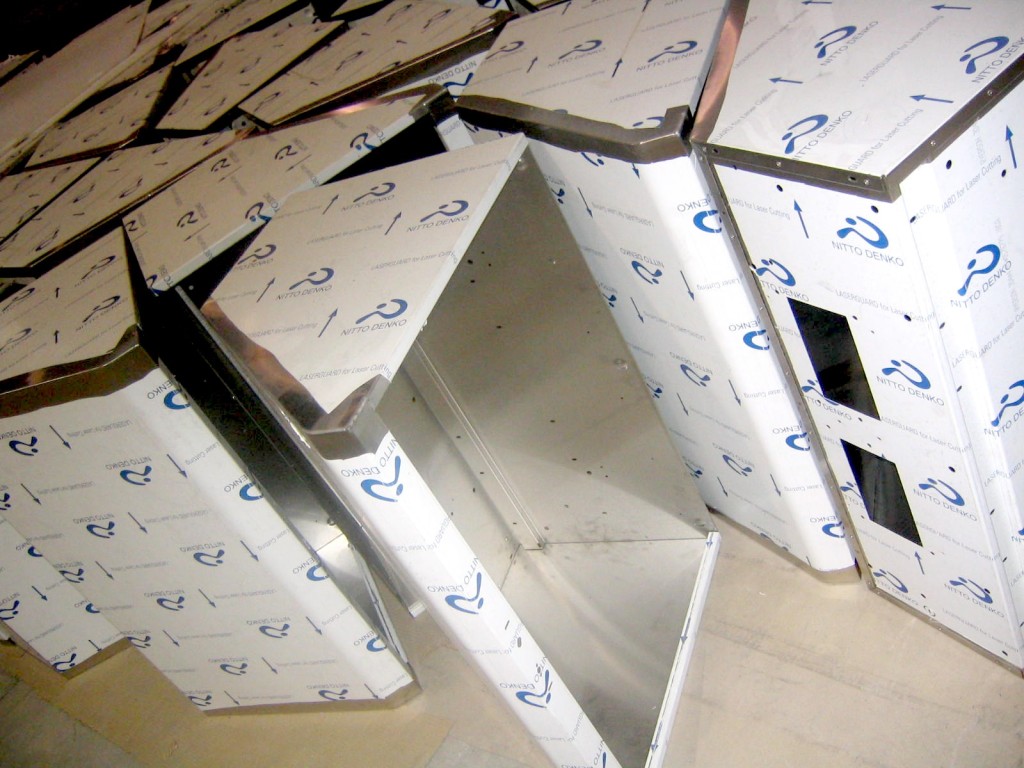
- Continuous, smooth stainless steel surfaces are designed to contain no seams or crevices to minimize product residue.
- Designs are cross-contamination proof and ensure that every batch yield is maximized.
- Engineered heavy gauge structural frames built to endure high levels of constant mechanical stress.
- Fully compatible with high levels of clean-in-place (CIP) and washing out (washdown) procedures.
Manufacturing Standards You Can Trust
Ability Fabricators sets the standard for consistent fabrication and quality practices:
- In-house engineered designs and precision stainless steel manufacturing.
- Production and quality assurance metrics are rigorously and uniformly maintained.
- All contact surfaces have consistently applied surface finishes (including those that may require high-purity mirror finishes).
- Design and construction of equipment meet all safety and sanitary requirements for North American industry.
Why Partner with Ability Fabricators
- Significant engineering depth in custom stainless steel bulk material handling systems.
- Custom solutions with mechanical characteristics and automation exactly as required.
- In-depth familiarity with the heavily regulated, high audit frequency industries.
- Committed support for your project with clear communication and lead-time tracking.
- Long-standing successful performance in elite processing environments across Canada and the USA.