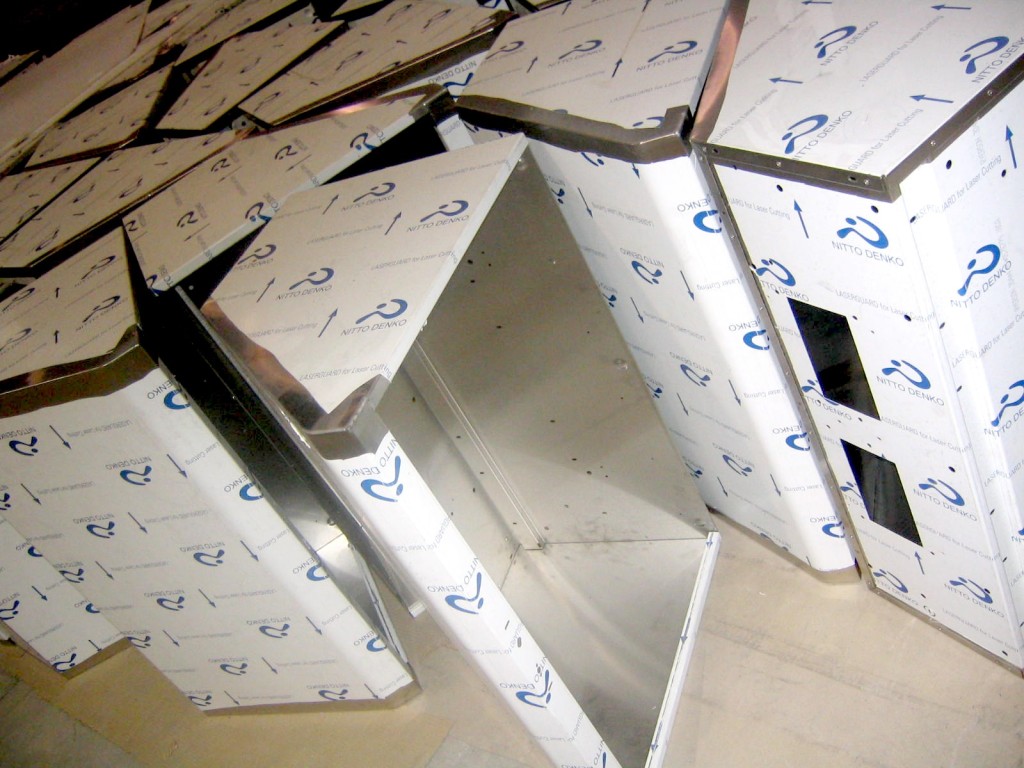
What Makes These Pallets Different
Wood pallets are porous. They absorb spills, retain moisture, and give bacteria a place to establish and grow. In a regulated facility, that is not a storage problem. It is a contamination control failure waiting to be documented.
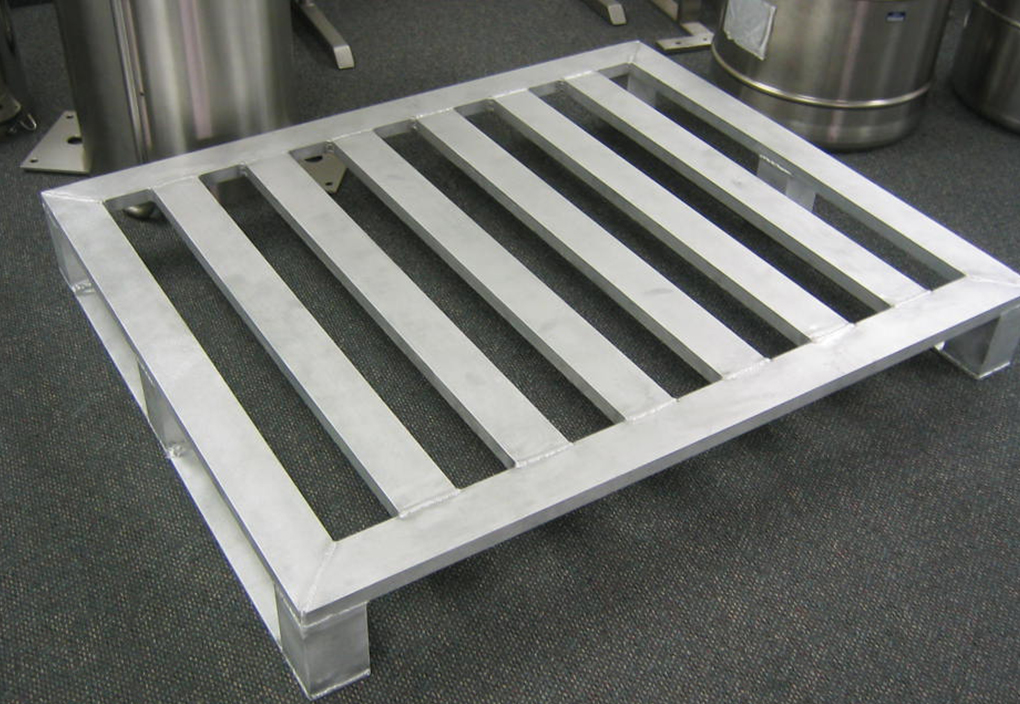
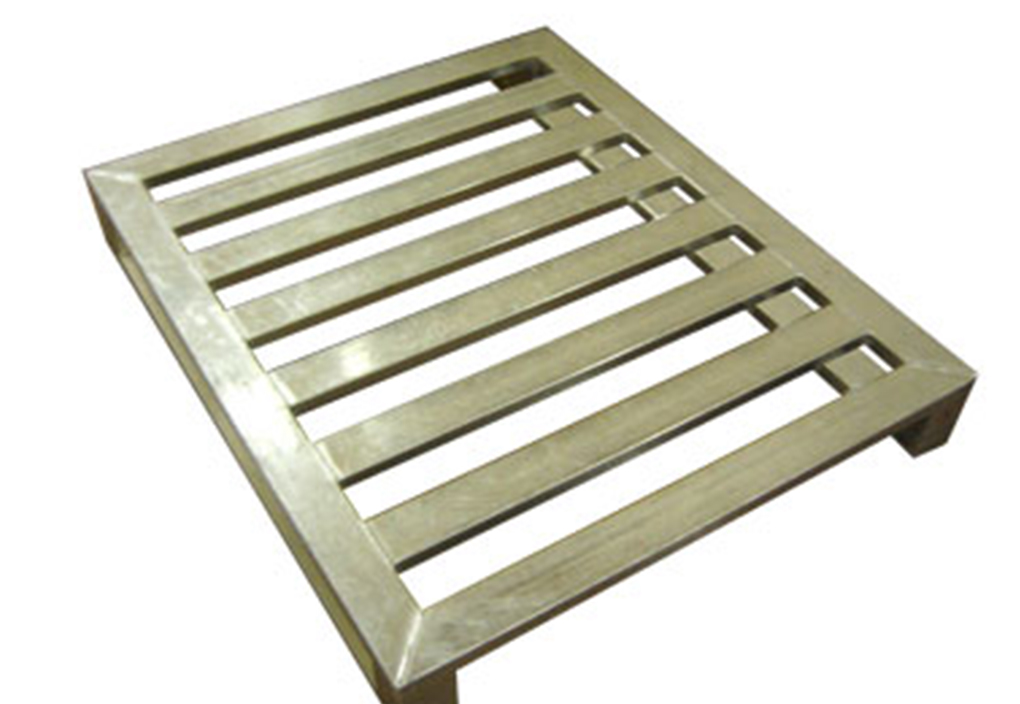
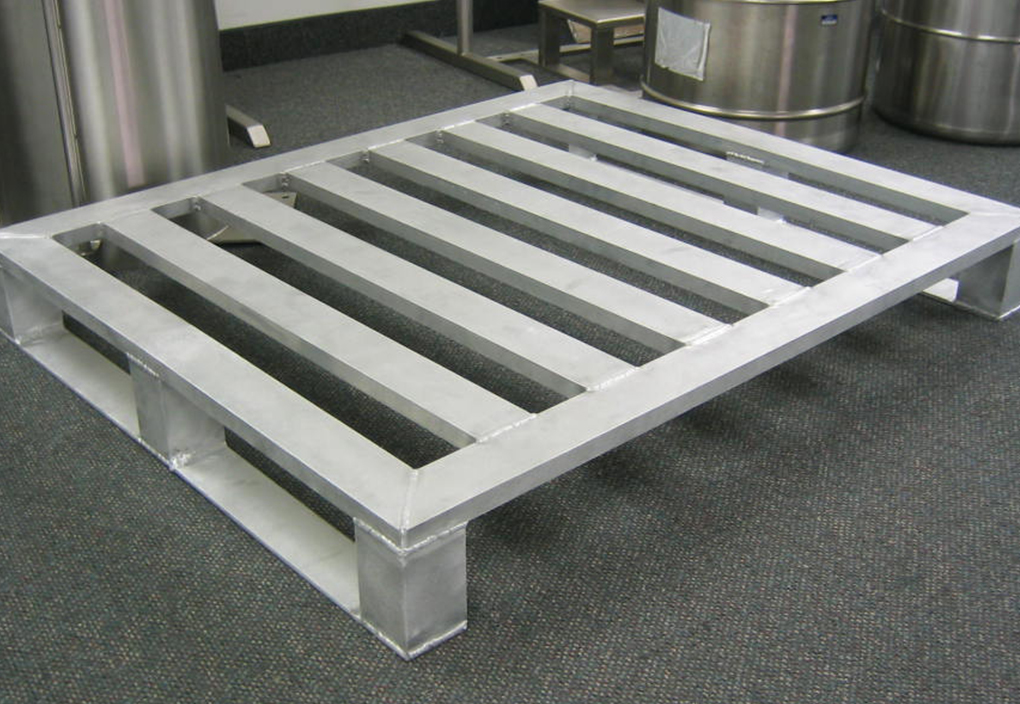
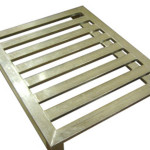
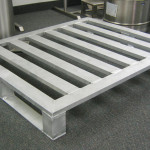
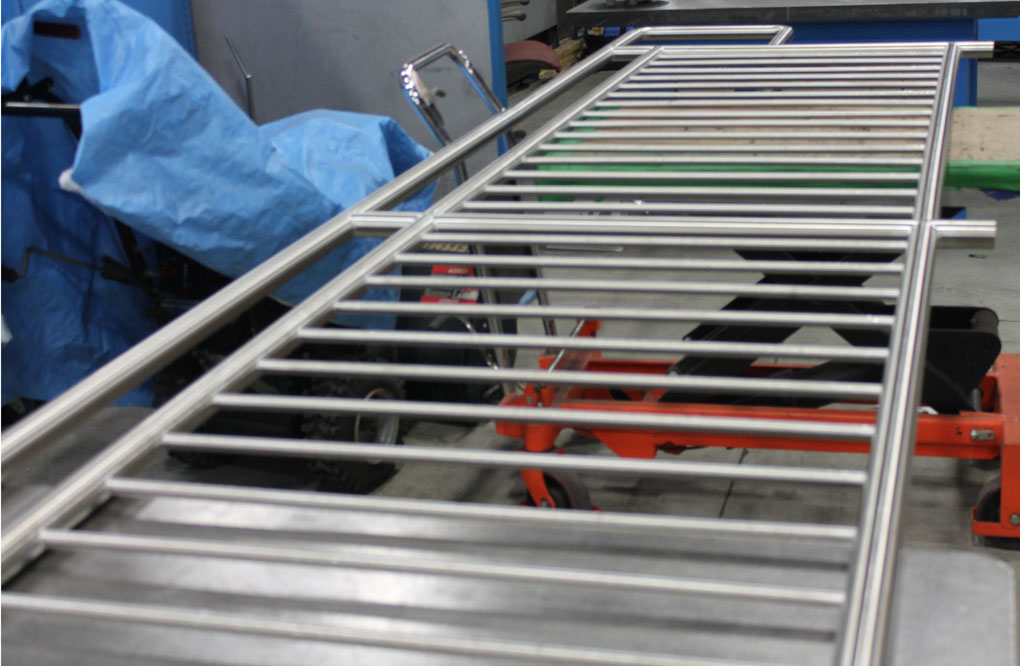
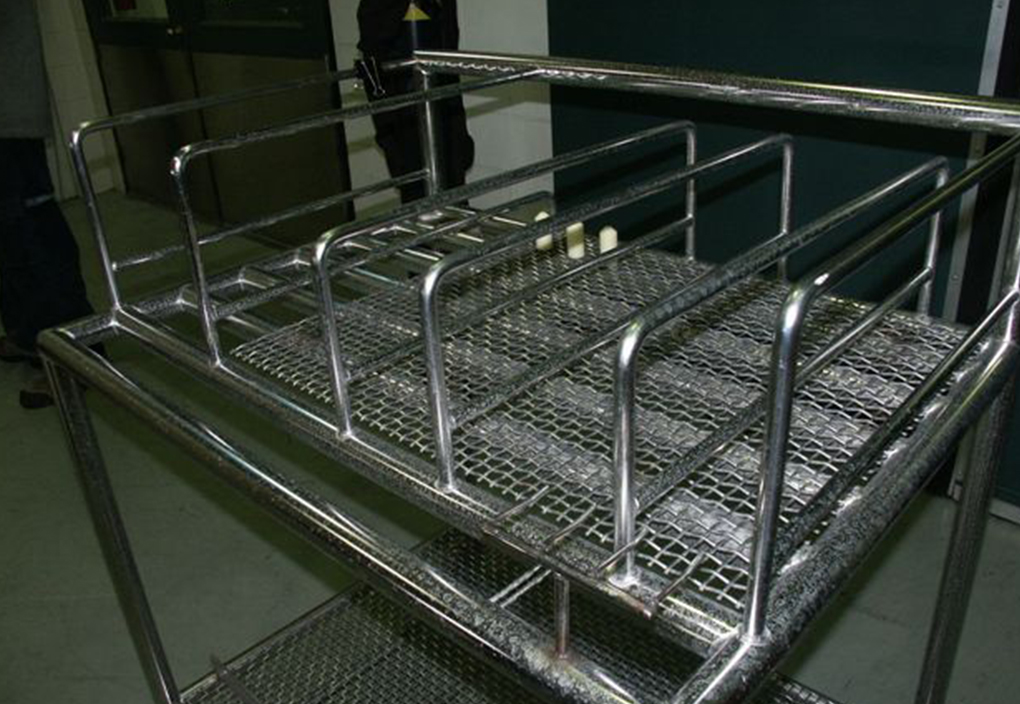
Stainless steel pallets solve that at the source. Sealed welds leave no gaps for residue to hide. The non-porous surface wipes clean completely. The material does not degrade under the cleaning agents your facility uses every day. Every pallet Ability Fabricators builds is fabricated in-house, sized to your requirements, and constructed to the standard your operation actually needs.
What These Pallets Are Doing in Your Facility
Pallets do straightforward work! They help in stacking, storing, transporting, and loading materials through a facility. They take forklift tines, they carry weight, and they move through areas where cleanliness is monitored and documented.
In pharmaceutical environments, the pallet is part of the product protection chain. What the product sits on matters. In food and beverage processing, pallets move through areas that are washed down regularly and need to hold up to that without becoming a hygiene liability. In both settings, the pallet needs to be as easy to clean as it is to load, and stainless steel with sealed welds is the only material that genuinely delivers on that.
Industries That Rely on These Pallets
Pharmaceutical: The primary application. Stainless steel pallets support GMP-compliant material handling from receiving through production. No porous surfaces, no contamination risk from the pallet itself, and construction that holds up through the cleaning cycles a pharmaceutical facility runs every day.
Food and Beverage: Daily washdowns, food-safe surfaces, and the structural durability to carry heavy product loads across shifts and years without degrading. Stainless steel delivers all three without any ongoing maintenance burden.
Nutraceutical: Same hygiene requirements as pharma, same material standards. Stainless steel pallets fit these operations cleanly and support the compliance documentation that regulated nutraceutical facilities need.
Chemical Processing: When corrosive materials are part of the operation, SS 316 is specified. The enhanced corrosion resistance handles chemical contact and aggressive cleaning agents without surface breakdown or structural compromise.
Four Reasons Stainless Steel Is the Right Pallet Material
Sealed welds that give bacteria and contamination nowhere to live, that is the single biggest advantage over every alternative. Corrosion resistance that holds up whether the threat is moisture, cleaning chemicals, or product spillage. Heat resistance that keeps the pallet functional in environments with sterilization procedures or temperature variation. And the durability to be loaded, moved, and cleaned hundreds of times without the structural fatigue that cracks plastic or splinters wood.
Sized to Your Operation, Not a Standard Catalog
Load capacity, facility dimensions, and forklift compatibility vary from one operation to the next. A pallet that does not fit your racking system or cannot handle your product weight is not a solution. Every stainless steel pallet Ability Fabricators builds starts with your actual specifications, including dimensions, load requirements, entry point configuration, and the compliance standard your facility operates under.
Built to Handle What You Put on It
Stainless steel pallets work hard. They carry heavy loads, they take forklift tines repeatedly, and they go through sanitation cycles that would degrade lesser materials over time.
Sealed welds on every joint with no exposed gaps or crevices. SS 304 or SS 316 selected based on your environment and what the pallet will come into contact with. Surface finish appropriate to your industry’s hygiene and compliance requirements. Construction that carries consistent load cycles without deformation or structural fatigue.
All In-House, From Specification to Delivery
Design, engineering, and fabrication all happen at our Concord, Ontario facility. One team, one project, no subcontractors involved in building your equipment. Quality is checked at each stage of fabrication, and the finished pallet leaves our facility meeting the standard your operation requires. When you have a question about the build, you are talking to the people who fabricated it.
A Supplier Who Understands What Regulated Facilities Actually Need
Ability Fabricators has been building stainless steel equipment for pharmaceutical, food, nutraceutical, and chemical operations across North America for years. We understand the difference between a pallet that technically works and one that fits into a regulated operation without creating documentation problems. We build the latter, and we deliver on the timelines and specifications we commit to.